


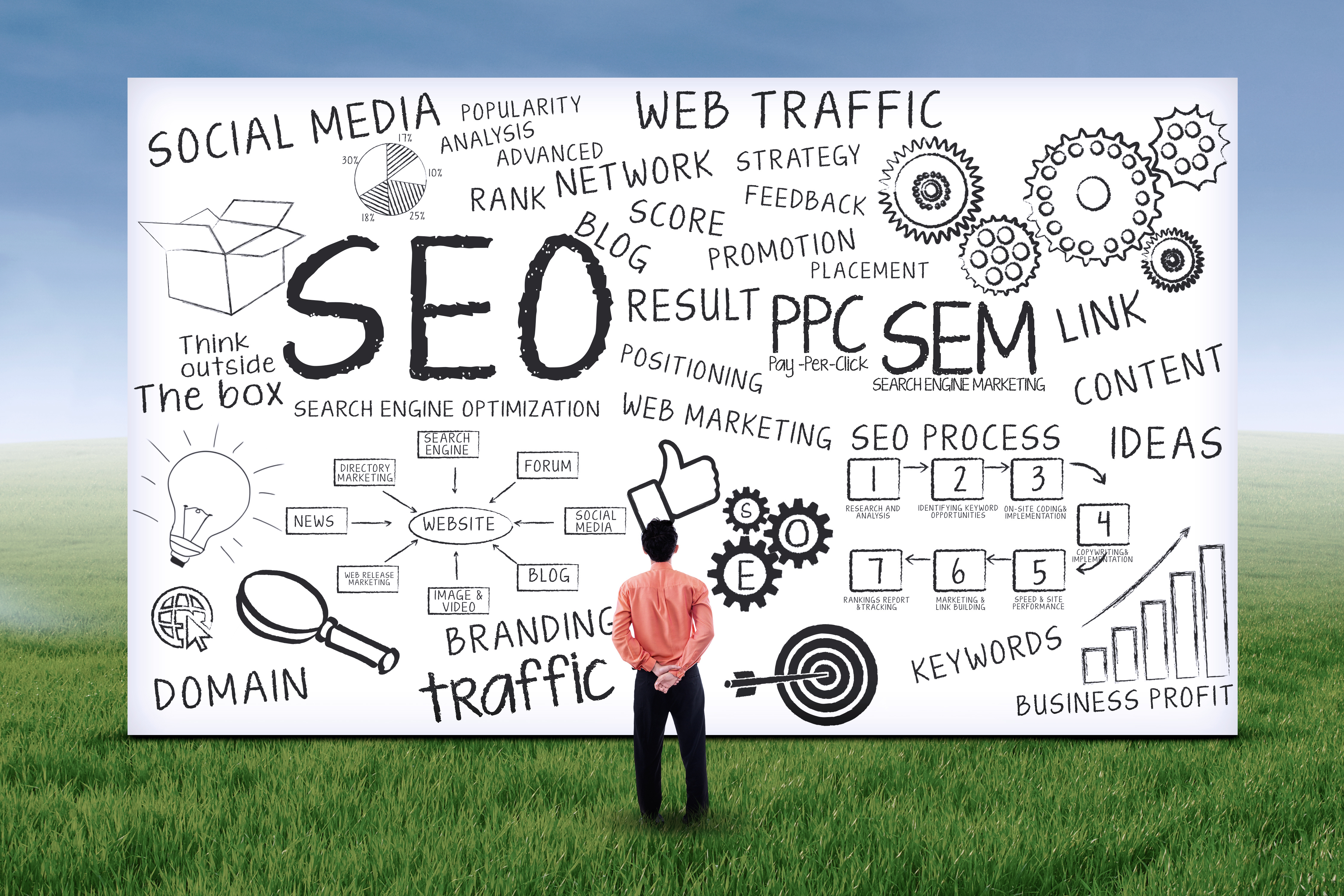
In the Search Engine Marketing article of CM 101 we discussed a few methods of paid search engine marketing, all of which can be very useful, but today I would like to introduce a special type of search engine marketing, called search engine optimization (SEO). It can get a little complex, and because search engines are constantly updating their algorithms, it can be an uphill battle for search engine marketers. I have compiled a list of the four top on-page ranking factors for content marketers to consider while creating and posting content.
1. Valuable Original Content:
Creating valuable original content is the most important thing that you can do to increase your SEO, according to everybody. The list includes Google, Search Engine Land, Moz, and many more. We went over this in CM 101’s Defining Content Marketing, but it is really important so I’ll say it again. You need valuable original content to connect with your audience and to rank in SERP’s (search engine results pages). Valuable content improves credibility in the long run, because your users are going to remember your company and your content if it is useful and unique. Hit the mark on this and you will reap great rewards. If it isn’t, Google warns that little or no original content will get your page nixed. Unfortunately, even though valuable original content is so important, it won’t take you all the way, because on page SEO doesn’t end there.
2. Keyword Placement:
It is important to have words that are synonymous or have overlapping meaning as well as match up with the title and headline in your postings. Keyword placement seems to be especially important within the first few lines of content, so dive right in! Rand Fishkin from Moz warns against not giving answers fast enough in a content creation article on Kissmetrics blog, stating that the “pogo effect,” or someone clicking your result and then immediately clicking the back button can do damage to your search rankings.
PS: Keep in mind that using words too frequently could come across as “spammy.” Using keywords strictly for ranking is noticeable, so be careful not to be too repetitive.
3. Title Tags/Image Alt Text:
This was touched on in the previous section. Matching your title element or “title tag” with your headline is important. The title tag is what people see when they are looking at SERP’s, looking through their open tabs and as anchor text for social posts, so it is important to make these relevant to the content and engaging. If there was ever a time to hit the nail on the head, it would be right here. Putting those primary keywords first is part of the magic. Moz Blog has a very readable and more in depth article on title tags with some resources. If you are looking to learn the full extent of their impact, jump down that rabbit hole.
Alternate image text (This is the text that shows when an image doesn’t load, or you hover your cursor over the image.) is similar, in that crawlers acknowledge this text as a description of the content, so keywords are valuable. Images on a page usually correlate with the content, so it makes sense to use the alt image text to further connect and provide info to the reader.
4. External/Internal Links:
There are many factors that affect SEO which content creators and website developers/managers can control. Unfortunately, some are far more difficult. External inbound links, i.e. how many credible sites are connecting to your site, are near impossible to control, but say a lot about the credibility of your site and it’s content. How they are referencing those links is also important. This challenge can be met by adding a pre-coded link to simplify the process and assure you get the results you want at least part of the time. External outbound links, or the links that you have within your content, also carry weight and as stated above, it is important to use keywords and keyword phrases for the anchor text on your site when doing so.
Internal links are just as important, if not more so when creating content. Data Based Ads explains that guiding the user through your site using internal links to create a clear hierarchy improves the user experience and can work to decrease your bounce rates (that pogo effect I was talking about earlier).
No matter what your content strategy is, SEO should be at the top of the list. Creating valuable original content is only the start. If you stay focused and prioritize topics, keyword integration for title tags, alt image text, external and internal links shouldn’t be difficult, and it is a great way to tell if you are staying the course or getting too far off topic with your content.








Comments are closed.